Saturday, 30 April 2022

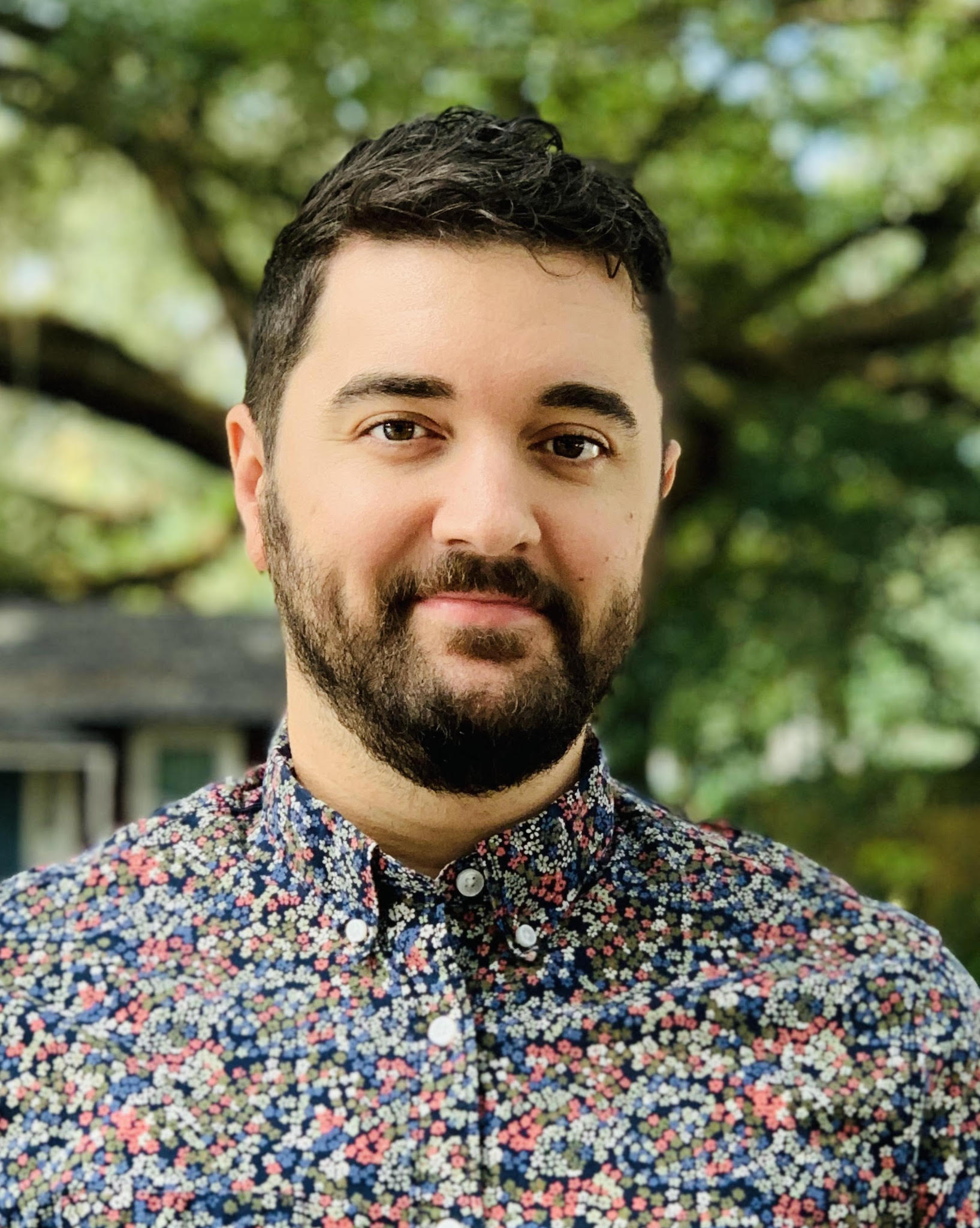
Conor Mc Donnell : part five

How important is music to your poetry?

Vital. Each book has a soundtrack, one that delivers a style and tone I want to feel while writing. I don’t listen closely I just let it wash and inform the direction my pen sways in. Safe Spaces (Frog Hollow Press) was all about Nick Cave (particularly Skeleton Tree and Push the Sky Away), Recovery Community (Mansfield Press) was all Twin Peaks, David Lynch, Angelo Badalamenti. This Insistent List has been very heavy but also crisp precise and removed so, lots of Tool, Nine Inch Nails, Kraftwerk. Oddly enough, the current work (the long poem) has been written almost entirely without music, likely because it partly deals with silence so, the absence of music has sound-tracked this most recent work (groan). 

Mary Mulholland : part six

How important is music to your poetry? 

Pretty important. I listen to a specific piece on a loop, or something like Ludovico Eindaudi, or Philip Glass, I find this helps my mind stay at a particular frequency. But some days I prefer silence. 

Friday, 29 April 2022

Justin Hamm : part five

How does your work first enter the world? Do you have a social group or writers group that you work ideas and poems with?

I have a couple of writer friends whose opinions I value deeply. Some of my poems come into the world via emails to those poets. Other poems I can sense are the way I want them to be. Those tend to enter the world by facing editorial judgment more quickly. I’ve also become more invested in reading and performing my poems. So I will occasionally debut poems in front of an audience to see how they work in that setting. I don’t have a set routine. I go with what I feel I need for a particular poem or set of poems. 

Adam Lawrence : part three

Has your consideration of poetry changed since you began?

Yes and no. My “beginning” (mid-1990s) fizzled out after a few years… for a variety of reasons, one of which is probably that writing is really, really hard work. And I just didn’t put in the time and effort back then. If I didn’t feel moved, I wouldn’t write. And—embarrassing as it is to say—I really didn’t read much poetry back then (other than what was taught in university classes). Now, I deliberately start the day by reading poetry—sometimes I get inspired to write, sometimes I don’t. I think it’s cumulative: the more poetry you read, the more likely poem ideas will pop up.

On the other hand, sometimes something does whack me in the noggin out of the blue; you can’t ignore that (even if you’re on the toilet, though that can be slightly awkward). 

Thursday, 28 April 2022

Saeed Tavanaee Marvi : part eight

How does a poem begin?

a lot of things can trigger a poem, to me is memory.

Kim Fahner : part five

When you require renewal, is there a particular poem or book that you return to? A particular author?

I always seem to turn to Seamus Heaney’s poems “Postscript” and “St. Kevin and the Blackbird.” I also love Mary Oliver’s poems, “If I Wanted a Boat” and “Wild Geese.”  I love how both Heaney and Oliver weave landscape and place into their work, but I also really love the way Heaney uses language so that his work comes alive. I’ve always been in love with the way he uses kennings and with how his poetry is so musical. With Oliver, her work resonates with me because I’m often outside walking, hiking, or swimming. I’m elemental, so I find that my sense of spirit and place is most alive when I’m outside with trees, rocks, water, and sky. I crave smaller sounds that come from quieter places, so put me on the edge of a lake at dawn and I will just be in a state of bliss. Whenever I hike, I’m always muttering “Oh, that’s so pretty.” There’s wonder in the world if only we open our hearts and eyes to see it. These days, in pandemic times, it’s been my saving grace, to walk amidst the trees and birds. 

Wednesday, 27 April 2022

Matt Vekakis : part one

Matt Vekakis is an MFA student in poetry at the University of Florida. Their recent work has appeared in Southern Humanities Review, Atlanta Review, Appalachian Review, Welter, and Up the Staircase Quarterly. Matt serves as EIC of The Lunch Break Zine—the literary companion of Out to Lunch Records.

How do you know when a poem is finished?

If I am still thinking about a poem after it is written on the page—if I am still building images, teasing connections, arranging metaphor, changing words, coloring nuance—I know the poem is not done.